

Your Post-Summer Camp Marketing Punch List
Now is an opportune time to focus on marketing and get your ducks in a row for the year ahead. Summer is still fresh, you have a season’s worth of stories and content at your fingertips, and there’s time to be thoughtful about what comes next.
You don’t need your entire marketing strategy figured out today. You do need to know what needs attention. Consider this your post-summer marketing punch list: what to assess now and build out over the next few months.

How Would You Grade Your Camp’s Summer Marketing + Communications Performance?
Before you jump into enrollment for Summer 2027, take a little time to look back.
How did your camp’s marketing and communications perform this summer?
And yes, those are two different things.
Communications helped current families navigate and feel connected to the summer. Channels include emails, reminders, updates, photos, phone calls, and conversations with camp leadership.
Marketing helped prospective and current families understand the value of the experience and gave them reasons to choose, and keep choosing, your camp.
Both deserve an end-of-summer review before you commit headspace and resources to retention and new camper recruitment.

The hidden cost of underinvesting in marketing
Many organizations don't have a marketing problem.
They have an investment problem.
Marketing is often one of the first line items reduced when budgets get tight. It feels easier to postpone a website refresh, delay hiring a communications manager, or cut back on advertising than it does to reduce programming or a service.
On paper, it makes sense. In practice, it often costs far more than organizations realize.
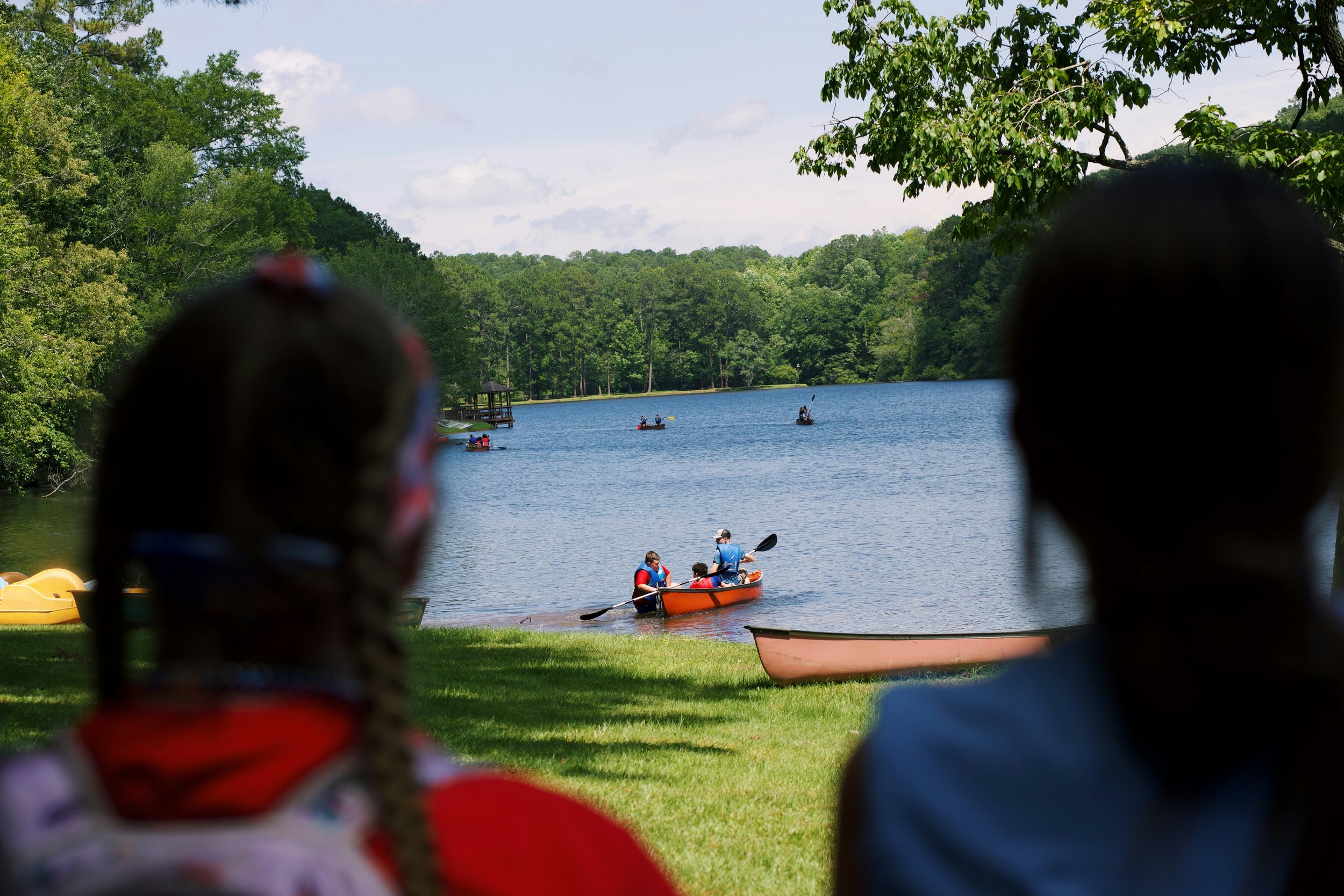
retention is built in the small moments
For many camps, retention is discussed as an enrollment metric.
How many campers returned?
What was our retention rate?
Which age groups lost the most campers?
But retention doesn't begin when families decide whether to re-enroll.
It begins with the very first interaction a family has with your camp and continues through every email, phone call, social media post, registration form, parent meeting, photo upload, counselor interaction, and end-of-summer survey.

How to Manage a Website Rewrite
A successful website rewrite is not just about launching a beautiful new design.
It is an opportunity to efresh your messaging, align your team, enhance your brand voice, improve SEO and AI visibility, and better communicate who you are to your target audiences.
While organizations often spend months discussing design direction, navigation, and functionality, the real momentum of a website project usually comes down to the content process itself:

Your Website Isn’t Just for Humans
For years, nonprofit websites were designed with one audience in mind. People. Today, there’s another audience reading your content before a potential donor, parent, volunteer, or community member ever reaches your site. They use various monikers like Claude, Siri, Perplexity, Gemini, ChatGPT, and others.

the content you need already exists
As a nonprofit marketer, are you tired? You should be.
You’re being asked to:
Post more on social
Send more emails
Tell more stories
Show more impact
So the default response is: create more content.
More posts. More graphics. More videos. More everything.
But here’s the mic drop:
You don’t have a content problem.
You have a content usage problem.

Spring Clean…Your Email List?
A bigger email list does not equal better results. In reality, the opposite can be true. If a significant portion of your list is unengaged, it can hurt your deliverability, distort your metrics, and reduce the effectiveness of your campaigns.
Cleaning your email list isn’t about shrinking your audience; you’re enhancing it.

The AI tools that are worth your time
AI is everywhere. You know this. But are you actually using it, or just thinking about using it?
Now's the time to stop spinning your wheels and make sure you're using AI to help you work smarter. There are a number of tools out there that can support your efforts.

When You Know It’s Time to Redesign Your Website
A website redesign rarely starts with, “Let’s redo the website.”
It usually starts with a sigh.
You can’t remember where anything is.
The photos feel outdated.
There’s no video.
The messaging feels flat.
You’ve added five new programs in the past three years, and none of them are clearly explained.
Your development director wants a stronger case for support online.
And suddenly, the website isn’t just a website. It’s friction.
When the CFO Asks, “So… What Does Marketing Do?”
There’s a moment most school marketers know well.
You’re in a budget meeting. Admissions can point to enrolled students. Development can point to dollars raised. Then the conversation turns to marketing and someone asks, politely but plainly: “So… what exactly do you do, and how do we know it’s working?”

“Just Post More” on Social is Bad Marketing Advice
In 2026, social media remains a vital part of how people discover, engage with, and connect to organizations. But using it as your entire marketing strategy is not just outdated (was it ever really a thing in the first place?), it’s risky.

market insights, not assumptions
Your organization’s success depends on how well you communicate your value. But the biggest mistake organizations make is building their strategies around what they want to say rather than what their audience actually wants or needs to hear.
Audience research closes this gap. It gives you actionable insight into motivations, hesitations, and perceptions so your marketing reflects reality, not assumptions.

Building a Welcome Series for Your Camp That Converts
Whether you're a day camp in a bustling metro area or an overnight camp competing with dozens of summer alternatives, your prospective families don’t want generic mass emails. They want to feel seen. They want clear, helpful information. They want to know why your camp is best for their child. And they especially expect communication that is short and authentic, not walls of text.

Is your homepage doing its job?
Your homepage isn’t just there to look nice, it’s your digital storefront and the entry point for your marketing efforts. Clearly communicating who you are, who you serve, and the unique value you offer is mandatory And by the way, you have mere seconds in which to get these points across.

Haven’t Started Giving Tuesday + EOY Campaign Prep? It’s Go Time.
Giving Tuesday is just one day…that also kicks off the most generous stretch of the year.
Studies consistently show that:
30% of all annual giving happens in December.
12% of all giving occurs in the last three days of the year.
Your November lead-up and December launch communications need to work in sync. Developing a smart plan in October sets you up to capture attention early, tell a cohesive story, and stay top of mind when donors are most ready to give.

Cracking the Code: Using Data to Unlock Your Camp’s Marketing Strategy
Camp directors wear a lot of hats from programming to staffing to operations to community engagement, and more. Marketing can often feel like another full-time job, and for many camps, it becomes a reactive scramble: a quick push before a tour or open house, a few throwback social posts here and there, or an urgent enrollment email when numbers look low.
Marketing doesn’t and shouldn’t have to be guesswork or “throwing spaghetti at the wall.” With the right data, you can prioritize your efforts, make smarter decisions, and ensure your message resonates with the families you’re trying to reach and ultimately enroll.

batch like a boss
Creating content can be fun…until it’s not.
You’ve got a million ideas, but how do you get them out of your head and into action? Enter: batching. Instead of writing one piece of content at a time, you create batches of content to use over a set period, e.g. 2 weeks, a month, two months. Blocking time to draft a couple weeks of social posts or several blogs enables you to give content creation your full attention, remove distractions, and let the writing flow.

How do you get from here to there?
Hiring a marketing consultant can feel overwhelming, especially if you don’t know exactly what you need. The good news? That’s okay. In fact, some of the best consulting partnerships begin with open-ended conversations that surface your true priorities, address short- and long-term objectives, and evolve as your organization grows.
Here are some common ways that organizations bring on marketing consultants.

Converting Tour-Takers Into Camp Families
A family toured your camp this summer. They peeked at activities in action, swam in the lake or pool, walked through bunks or gathering areas, maybe even joined in on a spirited song session. They left smiling, excited, and saying “We’ll be in touch.” Next step: Move them from “interested” to “enrolled.” What comes next can make a significant difference.